

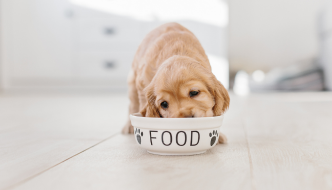
Bringing home your first puppy is an exciting time filled with cuddles, playtime, and lots of questions. One of the first questions new pet parents ask is, “What do I feed my puppy?” Understanding your puppy’s nutritional needs helps build the foundation for lifelong health and happiness. Through expert guidance on dog food, feeding routines, and breed-specific nutrition, you can help your puppy get the best start possible.
Why Puppy Nutrition Is So Important
Puppies grow rapidly in their first year, and their nutritional needs are different from adult dogs. Finding the right balance of calories, protein, fats, vitamins, and minerals is essential for supporting your puppy's bone development, brain growth, and immune system. But with so many dog food options out there, how do you know which is best for your puppy?
Choosing the Right Puppy Food
When selecting food for your new puppy, look for high-quality options specifically formulated for puppies. Puppy-specific foods contain more calories and essential nutrients than adult dog food to meet their higher energy needs.
What to Look for in Puppy Food
- Complete and balanced nutrition (look for AAFCO approval)
- High-quality protein sources like chicken, beef, lamb, or fish
- Healthy fats for brain development and energy
- Calcium and phosphorus for bone growth
- DHA (an omega-3 fatty acid) for brain and vision development
Wet vs. Dry Puppy Food
Both wet and dry food options can be healthy. Dry kibble helps with dental development, while wet food can be easier for smaller puppies to chew and digest. Each food type holds different benefits, prompting some new parents to opt for a mix of both.
Feeding Tips for New Puppy Parents
The portion sizes and feeding frequency for puppies are very different from those for adult dogs. Puppies need frequent meals throughout the day based on their age.
A good rule of thumb for your puppy’s feeding schedule is:
- 8–12 weeks old: 4 meals a day
- 3–6 months old: 3 meals a day
- 6–12 months old: 2 meals a day
Different breeds grow at different rates and have different nutritional needs. Tailoring your puppy's diet based on breed size is also an important step in ensuring optimal development. Here are some things to consider for different-sized breeds.
Small Breeds
- Require calorie-dense foods to match their higher metabolism
- Benefit from small kibble sizes that fit little mouths
- Need consistent feedings to prevent low blood sugar
Medium Breeds
- Require balanced energy intake
- May be prone to obesity, so monitoring their weight is important
Large Breeds
- Require controlled calcium and phosphorus levels to support joint health
- Benefit from slow, steady growth to prevent bone problems
- Risk skeletal issues if overfed
If you’re looking for the best food for small or large breed puppies, consult your veterinarian, since each breed’s nutritional needs can vary.
Helpful Feeding Tips
Being a new puppy parent can feel a little chaotic in the first few days and weeks. You may find yourself asking questions like, “How often should I feed my puppy?” or “How much should I feed my puppy?” Here are some tips to help you reach your puppy’s nutritional goals:
- Create a routine: Feed your puppy at the same times each day to support digestion and potty training.
- Provide fresh water: Keep a clean bowl of water available at all times.
- Avoid table scraps: Human food can upset your puppy’s stomach and lead to bad habits.
- Monitor weight and body condition: Adjust portions if your puppy is gaining too much or too little weight.
Following these tips can help your puppy stay healthy and form good eating habits.
Common Puppy Feeding Mistakes to Avoid
As a new puppy parent, it’s easy to make innocent mistakes when it comes to feeding routines, portions, and food choices. Understanding the most common pitfalls can help you feel better equipped to give your pup the right start.
Avoid These Puppy Diet Mistakes:
- Feeding adult dog food too early
- Giving too many treats (treats should be less than 10% of daily calories)
- Free-feeding without measuring portions
- Ignoring signs of food allergies or sensitivities
Being proactive about your puppy’s diet can help prevent future health issues and improve their quality of life.
When to Switch From Puppy to Adult Dog Food
Most dogs can transition from puppy food to adult dog food between 12 and 18 months of age. To prevent digestive upset, make the switch gradually by mixing small amounts of adult food into the puppy food over 7–10 days.
Your dog may be ready for adult food if:
- They’ve reached 80–90% of their expected adult weight
- They’re no longer gaining weight rapidly
- Your veterinarian confirms it’s the right time
Large and giant breeds sometimes need to stay on puppy food longer, so paying attention to these signals and checking with your veterinarian is especially important for them.
Puppy Boarding and Daycare at K9 Resorts Luxury Pet Hotel
At K9 Resorts Luxury Pet Hotel, we believe nutrition is a priority even when your dog is away from home. During daycare and boarding stays, we provide a premium, all-natural, veterinarian-developed sensitive-stomach formula designed specifically for dogs in a boarding environment. This helps ensure your pup stays healthy and comfortable while in our care.
Along with proper nutrition, we provide safe, engaging daycare and reliable boarding options to support both you and your dog. Our staff is here to make sure your puppy gets the care, play, and attention they need to thrive.
At K9 Resorts Luxury Pet Hotel, we take pride in the love, attention, and care we provide to every doggie guest. To learn more about boarding at K9 Resorts Luxury Pet Hotel, give us a call or schedule a tour of your local resort today!